
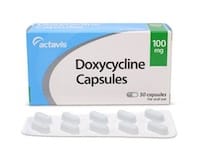
Buy Doxycycline Online at Best Prices
Common Uses and Clinical Scenarios
Targeting Bacterial Invaders
Think of doxycycline as a specialized locksmith, designed to jam the tumblers of specific bacterial cells. It doesn’t just wander aimlessly; it targets the protein synthesis machinery within bacteria. This makes it a heavy hitter when facing stubborn invaders like Propionibacterium acnes, which thrives in clogged pores and causes those frustrating, red inflammatory breakouts.
When your lungs feel heavy or a persistent cough begins to settle in, a doctor might look at respiratory issues. If a bacterial infection is the culprit, this tetracycline-class antibiotic steps into the ring. It is often the first line of defense against various atypical pneumonia cases that simply refuse to budge with standard treatments.
Then there is the “tick-borne” bogeyman lurking in the tall grass. Lyme disease is perhaps the most famous scenario where this medication shines. If you’ve been hiking and notice a bullseye rash, your physician will likely reach for this tool to stop the infection from spreading deeper into your joints or nervous system.
It isn’t just about the big stuff, though. Doctors often utilize it for a variety of niche concerns, including:
- Severe, inflammatory acne that hasn’t responded to topical creams.
- Certain types of respiratory tract infections.
- Prevention of malaria in travelers heading to high-risk zones.
- Treatment of various sexually transmitted bacterial infections.
Topical vs. Oral Delivery Methods
Not all battles are fought on the same front. Sometimes, the fight is strictly on the surface of your skin. In these instances, a topical cream or gel is the preferred weapon. It delivers the medication directly to the site of the acne, minimizing the “splash damage” to your stomach or liver.
However, when the infection is a “deep-seated” intruder, topical applications won’t cut it. This is where oral pills come into play. By swallowing a tablet, the medicine enters your bloodstream, allowing it to travel through your veins to reach hidden corners of your body, like your lungs or even your joints.
Choosing between these two depends entirely on the battlefield. A doctor weighs the severity of the symptoms against the potential side effects. It is a bit like choosing between a targeted laser and a broad-spectrum floodlight; both have their place, but you wouldn’t use a floodlight to fix a watch.
The cost of these different formats can vary significantly. For example, a small tube of topical gel might cost around $25, while a full month’s supply of oral capsules could run you $45. Always check with your pharmacist to see what your specific insurance coverage might allow for your prescription.
Clinical Scenarios in Action
Imagine Sarah, a college student struggling with painful, cystic acne. She has tried every over-the-counter wash on the shelf, but nothing works. Her dermatologist prescribes an oral course of doxycycline to tackle the inflammation from the inside out, effectively calming her skin’s internal storm over several weeks.
Contrast Sarah’s situation with Mark, who spent a weekend camping in the dense woods of the Northeast. He wakes up with a fever and a strange, expanding rash on his calf. Because the infection is systemic and potentially dangerous, his doctor bypasses the creams and goes straight to an oral regimen to prevent Lyme disease complications.
| Scenario | Primary Application | Typical Goal |
| Persistent Acne | Topical or Oral | Reduce inflammation and bacteria |
| Lyme Disease | Oral | Eradicate systemic bacteria |
| Respiratory Infection | Oral | Clear lung-based bacteria |
Dosage Protocols and Administration
The Standard Regimen for Adults
When it comes to tackling a bacterial siege, timing is everything. For most adults, the standard starting dose often lands in the 100 mg range. Depending on the severity of the infection, a physician might prescribe this amount once or twice every single day. It is a delicate dance of maintaining a steady concentration in your bloodstream.
Consistency is the name of the game here. You cannot simply take the pills whenever it is convenient, like a casual vitamin. Skipping doses is like leaving the front door unlocked during a storm; it gives the bacteria a chance to regroup and potentially develop resistance. Stick to the schedule your doctor has laid out for you.
Some specific conditions might require a slightly different rhythm. For instance, if you are using it for severe acne, the dosage might stay lower to minimize side effects over a long period. Conversely, an acute infection might require a more aggressive, higher-dose approach for a short window. Always follow the specific script written by your healthcare provider.
The way you take the medication is just as vital as the amount itself. You should always swallow your pills with a full glass of water—at least 8 ounces. This isn’t just a suggestion; it’s a safeguard. Taking it with too little liquid can cause the pill to get stuck in your esophagus, leading to painful irritation.
To avoid the dreaded “pill esophagitis,” try not to lie down immediately after swallowing your dose. Give yourself at least thirty minutes of being upright, whether sitting or standing. Think of it as giving the medication a clear, unobstructed path to travel down to your stomach without causing a localized fire in your throat.
Managing Sensitivity and Special Populations
Not every body reacts to medication in the same way. For children, the math changes significantly. Pediatric dosing is often calculated based on their body weight rather than a flat adult dose. This ensures that a small child isn’t given too much, while still providing enough punch to fight off the invading bacteria effectively.
The elderly population often faces a different set of hurdles. As we age, our kidneys and livers might not process medications quite as swiftly as they once did. A doctor might opt for a lower dose or a more gradual tapering method to ensure the medication doesn’t accumulate to toxic levels in a geriatric patient’s system.
Food can also play a tricky role in how your body absorbs this medicine. While taking it with a meal can help if you experience an upset stomach, certain dairy products or calcium-rich foods can actually bind to the drug. This makes it harder for your body to absorb the medicine, essentially rendering the treatment less effective.
If you find that your stomach is doing somersaults after a dose, talk to your doctor. They might suggest taking it with a small snack that isn’t heavy on calcium. It is all about finding that “sweet spot” where the medicine works effectively without making you feel like you’re battling a stomach bug.
Below is a summary of common prescription options and their estimated out-of-pocket costs depending on the pharmacy plan.
| Prescription Type | Quantity/Duration | Estimated Cost |
|---|---|---|
| Generic Doxycycline (30-day) | 30 Capsules | $15 |
| Generic Doxycycline (90-day) | 90 Capsules | $35 |
| Brand Name Option | 30 Capsules | $120 |
| Extended Release Format | 30 Capsules | $85 |
Market Pricing and Cost Analysis
Navigating the Price Landscape
Walking into a pharmacy can feel like entering a high-stakes negotiation, even when you are just picking up a common antibiotic. For most patients, the price of generic Doxycycline is a breath of fresh air compared to other specialized drugs. You can typically find a standard 30-day supply of the generic version for a very reasonable amount.
On average, expect to see retail prices for generic Doxycycline ranging from $10 to $40. This price can fluctuate depending on whether you are buying a small handful of pills or a bulk supply. If you are looking to save some serious cash, buying in larger quantities often brings the per-pill cost down significantly.
It is important to remember that “retail price” is the sticker price before any magic happens at the checkout counter. If you are paying out-of-pocket without any assistance, you might see the higher end of that spectrum. However, for most people with a standard plan, the actual cost remains quite manageable and predictable.
Price variations also depend heavily on the pharmacy’s location and their specific business model. A massive chain store might have different pricing structures than a small, independent local pharmacy. It never hurts to shop around or use a price-comparison tool to ensure you are getting the best possible deal available.
Generic vs. Brand Name Realities
The debate between brand-name and generic medication is as old as time itself. When it comes to Doxycycline, the active ingredient is exactly the same, meaning the “magic” inside the pill does the same work. Choosing the generic option is often like choosing the store-brand cereal; it does the job perfectly without the fancy box.
However, the price gap is a yawning chasm. Brand-name versions of similar tetracycline antibiotics can cost upwards of $100 or more for a single month’s supply. In contrast, the generic version is often a fraction of that cost. For many, choosing generic is an easy decision that keeps the medical bill from becoming a burden.
Why does this gap exist? It often comes down to marketing and the massive research costs original manufacturers incur. Once those patents expire, the market becomes a playground for generic manufacturers. They can produce the same chemical compound much cheaper, passing those savings directly onto the consumer’s wallet.
That said, always check with your doctor before making the switch. While the active ingredients are identical, some people find that different fillers or binders in generic versions might cause slight digestive differences. It is a small trade-off, but one that is worth discussing if you have a particularly sensitive stomach.
Factors That Move the Needle
Not all prescriptions are created equal, and several factors can shift your final total. One of the biggest drivers is the milligram strength of the pill. A 200 mg tablet is a different beast than a 50 mg tablet, and the pricing often reflects that potency difference. Higher strengths can sometimes be harder to source.
The total quantity you receive also plays a massive role in the final tally. It might seem counterintuitive, but a 90-day supply is almost always more cost-effective than buying three separate 30-day supplies. It is the “bulk discount” of the pharmaceutical world, and it is a smart way to keep costs low.
Other variables include the specific form of the medication you are prescribed. For instance, if your doctor opts for a specialized extended-release capsule to minimize stomach upset, expect to pay a premium. These specialized delivery systems are more complex to manufacture and, consequently, carry a higher price tag.
Lastly, the timing of your refill can influence the cost. Some pharmacies offer discounts for certain types of insurance or may have seasonal promotions. Being proactive about your refills can sometimes help you avoid sudden spikes in price when your prescription is due for renewal.
The Role of Insurance Coverage
Insurance acts as a massive safety net, but it can also be a bit of a maze. Depending on your specific plan, your out-of-pocket expense for Doxycycline could be as low as a $5 copay. For many, the insurance company picks up the lion’s share of the bill, leaving the patient with very little to pay.
However, if you have a high-deductible health plan, you might find yourself paying the full negotiated rate until your deductible is met. This can feel like a gut punch if you aren’t prepared for it. In these cases, the difference between a $15 generic and a $120 brand-name pill becomes incredibly significant for your budget.
It is also worth checking if your plan has a “preferred” pharmacy list. Using a pharmacy that is “in-network” can drastically reduce your costs. Using an out-of-network pharmacy is like taking the scenic route on a road trip; it gets you to the destination, but it’s going to cost you a lot more in time and money.
Always keep an eye on your “Explanation of Benefits” (EOB) statements. These documents show exactly how much the insurance paid and how much you owe. If you notice a discrepancy, it is better to call the pharmacy or your provider immediately rather than waiting for a surprise bill to arrive in the mail.
Sourcing and Purchasing Options
The Legal Landscape of US Prescriptions
In the United States, obtaining Doxycycline is not as simple as grabbing a bottle off a grocery store shelf. Because this medication is an antibiotic, the law requires a valid prescription from a licensed healthcare provider. You cannot simply walk into a pharmacy and demand a bottle; it is a strict regulatory gatekeeping process designed for patient safety.
Your journey typically begins with a consultation, either in person or via a telehealth appointment. The doctor must evaluate your clinical needs to ensure the medication is appropriate for your specific infection. Once they deem it necessary, they will transmit an electronic prescription directly to your chosen pharmacy, ensuring the chain of custody remains intact.
Trying to bypass this step by seeking “no prescription” websites is a dangerous gamble. These sites often operate in a legal gray area or are outright illegal. Using such services is like walking through a dark alleyway without a flashlight; you might find what you need, but the risks to your health are incredibly high and unpredictable.
If you are traveling, it is vital to know that bringing antibiotics across borders requires documentation. Always keep a copy of your prescription on hand. The FDA maintains strict oversight to prevent the entry of counterfeit drugs, so following the legal route is the only way to ensure your treatment plan remains on track.
Navigating the Digital Pharmacy Maze
The internet has turned the pharmacy counter into a digital storefront, but not every website is a legitimate business. When browsing online retailers, look for the “VIPPS” seal or similar accreditation marks. These indicators suggest the pharmacy follows rigorous safety standards and is subject to regular inspections by professional regulatory bodies.
Be wary of any site that offers Doxycycline at prices that seem too good to be true. If a website claims they can ship potent antibiotics to your door without even asking for a consultation, run the other way. These “rogue” pharmacies often sell substandard or even contaminated products that could do more harm than good to your body.
A red flag to watch for is a lack of contact information. A legitimate online pharmacy will have a physical address, a working phone number, and a clear way to reach a licensed pharmacist. If the only way to communicate is through a generic contact form, you might be dealing with a fly-by-night operation that won’t be there if something goes wrong.
Always check user reviews on third-party websites, not just the ones on the pharmacy’s own page. A company might scrub its own site of any negative feedback, but independent forums will tell the truth about shipping delays or incorrect orders. Think of it as checking the weather before you set out on a long hike.
Verifying Medication Authenticity
Once your package arrives, the work isn’t quite finished. You must ensure that the pills inside the container are exactly what the label claims they are. Check the packaging for any signs of tampering, such as broken seals or dented boxes. A compromised seal is a massive warning sign that the contents may have been altered.
Look closely at the physical characteristics of the tablets. They should be uniform in color, shape, and texture. If you notice any strange discoloration, a peculiar smell, or if the pills are crumbling, stop using them immediately. It is better to be safe and call your doctor than to ingest a potentially tainted substance.
You can also cross-reference the manufacturer’s information on the label with official databases. Most legitimate medications have a lot number and an expiration date printed clearly on the side. If these details are missing or look smudged, you are likely holding a counterfeit product that has bypassed the standard safety checks.
If you have any doubts, you can contact your pharmacist to verify the NDC (National Drug Code) number. This unique identifier is like a fingerprint for your medication. It ensures that the specific strength and manufacturer you received match what was actually prescribed by your healthcare provider earlier in the process.
The Convenience of Mail-Order Services
For those managing chronic conditions or long-term antibiotic regimens, mail-order pharmacy services are a total game-changer. Instead of making monthly trips to the local drugstore, you can have your refills delivered directly to your doorstep. This is a massive time-saver for busy professionals or those with limited mobility.
Many insurance providers actually prefer that you use their designated mail-order service. In fact, they often offer lower copays for 90-day supplies sent via mail compared to a 30-day supply picked up at a retail location. It is a rare instance where the most convenient option is also the most economical one for your wallet.
The logistics are remarkably streamlined. You can often manage everything through a mobile app, requesting refills with a single tap. This digital integration reduces the chance of human error, such as forgetting to call in a refill and finding yourself without medication when you need it most for your ongoing treatment.
However, keep a close eye on your delivery schedule. While the service is efficient, you don’t want to run out of your pills while waiting for the mail carrier. Setting up automatic refills is a smart way to ensure your supply arrives a few days before your current bottle is empty, keeping your health on track.
| Service Type | Typical Cost (30-day) | Typical Cost (90-day) | Best For |
| Retail Pharmacy | $15 – $45 | N/A | Immediate needs |
| Mail-Order | $10 – $30 | $25 – $60 | Long-term refills |
Shipping Logistics and Storage Requirements
Delivery Timelines and Transit Dynamics
When you finally click that “order” button, the clock starts ticking. For domestic shipments within the country, you can typically expect your doxycycline to arrive within 3 to 7 business days. This timeline depends heavily on whether you opted for standard ground shipping or a faster, more expensive expedited service.
International orders are a different beast entirely. Navigating customs and international postal routes can feel like sailing through a storm without a compass. Depending on the destination, these packages might take anywhere from 2 to 4 weeks to reach your doorstep. Patience is a virtue when dealing with global logistics.
Keep in mind that “business days” exclude weekends and public holidays. If you are running low on your prescription, do not wait until the last pill is gone before reordering. It is better to have an extra bottle sitting in the cabinet than to be caught empty-handed while waiting for a courier.
Tracking numbers are your best friend during this waiting game. Most reputable pharmacies provide a digital trail so you can monitor your package’s progress in real-time. If your package seems stuck in a particular sorting facility for more than a week, it is worth a quick call to support.
Climate Control and Temperature Sensitivity
Doxycycline is a bit of a sensitive soul when it comes to its environment. It does not like extreme heat or sudden temperature swings. If a package sits in a sweltering delivery truck in the middle of summer, the chemical integrity of the medication could be compromised before you even open it.
Ideally, the medication should be kept in a “cool, dry place.” This is a common phrase for a reason. You want to avoid the humid bathroom cabinet where steam from the shower can sneak into the container. Moisture is the enemy of many antibiotic formulations, often leading to degradation.
During transit, logistics companies try to maintain a stable environment, but they aren’t perfect. If you live in a particularly harsh climate, consider requesting insulated packaging for your shipment. It might cost an extra $5 to $12, but it provides an extra layer of protection for your health.
If you notice that your pills feel sticky, soft, or have changed texture upon arrival, do not assume they are fine. Heat can melt the binders in the tablets. When in doubt, contact your provider. It is better to be safe than to ingest a degraded antibiotic that might fail to fight the infection.
Safe Handling and Storage Protocols
Once the package is in your hands, the responsibility shifts to you. Treat your medication like a precious commodity. Store it in a dedicated drawer or a cool kitchen cupboard, away from any direct sunlight. Sunlight can act like a slow-acting poison for certain light-sensitive chemical compounds.
Keep the medication out of reach of children and pets. This is not just a suggestion; it is a vital safety rule. A stray pill found under the sofa could be life-threatening for a toddler. Always ensure the lid is screwed on tight and the seal is intact after every single use.
Avoid the “medicine cabinet” trap in the bathroom. The constant fluctuation in temperature and humidity caused by showering can create a microclimate that is detrimental to the pills. A bedroom drawer is often a much more stable and reliable environment for long-term storage.
Always check the expiration date before you take a dose. Even if the pills look perfect, the potency may have dropped below the therapeutic threshold required to kill bacteria. Using expired antibiotics is a gamble that you should never take with your health or your recovery.
Packaging Standards and Protection
The packaging is the first line of defense for your medicine. High-quality manufacturers use amber-colored bottles or opaque containers to block out UV rays. This light protection is essential because light energy can trigger chemical reactions that break down the active ingredients in the doxycycline.
You might also notice small packets inside the bottle. These are desiccant packets, designed to soak up any residual moisture that might have entered the container during shipping. Never discard these little packets; they are working hard to keep your environment dry and your pills potent.
The outer box should be sturdy enough to prevent the bottles from rattling around like marbles. If a container arrives cracked or the seal is broken, it means the barrier against moisture and air has been breached. In such cases, do not hesitate to demand a replacement immediately.
Consider using airtight containers if you live in a particularly humid coastal region. While the original bottle is usually sufficient, an extra layer of protection can be a wise investment for your peace of mind. Protecting your medication is just as important as taking it on time.
Comparative Effectiveness and Alternatives
Navigating the Antibiotic Landscape
Choosing the right weapon in the fight against infection is rarely a one-size-fits-all affair. While doxycycline is a heavy hitter, it isn’t always the undisputed champion. Sometimes, a doctor might reach for Azithromycin, which offers a much shorter treatment course, or Amoxicillin, which targets different cellular structures entirely. It is a delicate game of biological chess.
Think of it like choosing a tool from a toolbox. A hammer works wonders for a nail, but you wouldn’t use it to tighten a screw. Amoxicillin often works beautifully for dental infections or certain respiratory issues, whereas doxycycline shines in treating atypical bacteria. Using the wrong tool is like bringing a knife to a gunfight; it simply won’t suffice.
The decision often hinges on the specific “personality” of the bug causing the trouble. Some bacteria are stubborn and have developed shields against certain classes of drugs. If your doctor suspects a resistant strain, they will pivot away from the standard routine. They aren’t just guessing; they are playing a high-stakes game of tactical avoidance.
We often see patients ask, “Why not just take the strongest one?” It is a common question, but strength is relative. A drug that is incredibly potent against one organism might be completely useless against another. Understanding these nuances helps you realize that “different” does not always mean “better,” but it certainly means “specific.”
The Economics of Switching Classes
When a physician decides to switch your antibiotic class, it isn’t just about biology; it is about the bottom line. Switching from a broad-spectrum tetracycline like doxycycline to a more specialized, expensive option can significantly impact your wallet. You might see a jump in price from $20 to $150 for a single prescription.
A cost-benefit analysis is a vital part of modern medicine. If a $10 generic option works, why spend $80 on a brand-name alternative? However, if the cheaper option fails to clear the infection, you end up paying twice. That second trip to the doctor and the new prescription can end up costing you much more in the long run.
Insurance companies often play a role in this tug-of-war. They might insist you try the cheaper, older drug first before they will cover the cost of a more modern, expensive alternative. This “step therapy” can feel like a bureaucratic hurdle, but it is designed to ensure that the most costly treatments are reserved for when they are truly necessary.
Ultimately, the goal is to find the “sweet spot” where clinical efficacy meets financial feasibility. You want a treatment that kills the bacteria without draining your bank account. Always ask your pharmacist about generic versus brand-name options, as this can sometimes save you $30 or more on a single refill.
Strain Specificity and Efficacy Shifts
Bacteria are not a monolithic group; they are a diverse collection of tiny, evolving organisms. A strain of Chlamydia might respond beautifully to doxycycline, but a different strain might have developed a “pump” that kicks the medicine out before it can work. This resistance is a moving target that doctors must constantly track.
The effectiveness of your medication can shift depending on the specific strain’s genetic makeup. It is a bit like trying to use a master key on a lock that has been changed overnight. What worked for your neighbor might not work for you, even if your symptoms seem identical on the surface. Biology is rarely that predictable.
This is why cultures and sensitivity tests are so important. If a doctor can identify the exact culprit, they can tailor the treatment with surgical precision. Without that data, they are essentially throwing darts in a dark room, hoping to hit the bullseye. It is a much more effective way to ensure you actually get better.
In some cases, the efficacy of doxycycline can be hampered by the presence of other substances in your system. Taking it with dairy or certain antacids can bind the drug, making it much less effective. You could be taking the right medicine, but if you take it the wrong way, the bacteria will simply laugh at it.
When to Pivot Your Treatment Strategy
There are moments when a physician decides to pull the plug on a current regimen. If a fever refuses to break after forty-eight hours, it is a major red flag. At that point, the current antibiotic might be missing the mark entirely. The doctor will likely pivot to a broader or more aggressive therapeutic approach.
Sometimes, the decision to switch is driven by your body’s reaction rather than the bacteria’s behavior. If you experience severe gastrointestinal distress or a sudden rash, the side effects might outweigh the benefits. In these instances, the priority shifts from fighting the infection to protecting your own physical well-being and comfort.
Other times, the switch is a proactive move to prevent the development of resistance. If a doctor notices a trend of rising resistance in your local community, they might skip the standard doxycycline and go straight to something more robust. It is a tactical strike meant to end the battle before it even begins.
If you feel like you are spinning your wheels, don’t be afraid to ask your provider why they chose a specific path. Understanding the “why” behind your treatment can alleviate much of the anxiety that comes with being sick. Knowledge is power, especially when you are navigating the complex world of modern pharmacology.
| Antibiotic Class | Common Use Case | Typical Cost Range |
| Tetracyclines (Doxycycline) | Atypical bacteria, Acne | $15 – $40 |
| Macrolides (Azithromycin) | Respiratory, STIs | $20 – $60 |
| Penicillins (Amoxicillin) | Dental, Ear infections | $10 – $35 |